

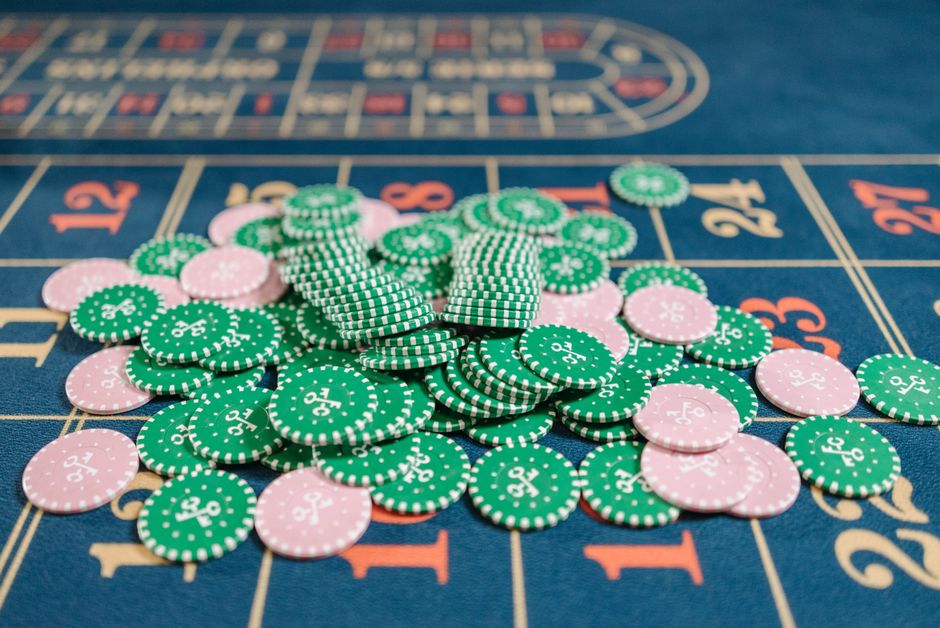
Ask ten slot players what their biggest win was, and you'll get ten different stories. Ask them how much they've lost chasing that win, and the room goes quiet. There's a reason for that silence. Most people who play slots never understand what they're actually up against, and the casino industry prefers it that way. This isn't a lecture about quitting gambling. It's a reality check for anyone who wants to enjoy slots, poker, or sports betting without bleeding money they can't afford to lose.
The Math Nobody Wants to Talk About
Every casino game has a house edge. That's not a conspiracy, it's a business model. On a standard 96% RTP (return to player) slot, the house keeps four cents of every dollar wagered over the long run. That sounds harmless until you do the real math. If you spin $1,000 worth of wagers in an hour, your expected loss is $40. Do that three times a week for a year, and you're looking at over $6,000 in theoretical losses. The variance means some sessions you'll win big and feel like a genius. But the edge never disappears.
Where players get burned is ignoring the difference between RTP and volatility. A slot with 96% RTP and high volatility might eat $500 before paying anything back. A low-volatility slot at 95% RTP pays smaller amounts more frequently. Neither is "better" in an absolute sense; they suit different bankrolls and personalities. Choosing a slot without checking these two numbers is like buying a car without asking about fuel economy. Some of the clearest guidance on this comes from สล็อต.
Slot Selection: What Actually Matters
Walk into any online casino and you'll see thousands of titles. Most are forgettable. A few are genuinely worth your time. Here's what separates them:
- Published RTP: Anything below 95% is stingy in today's market. Reputable providers like NetEnt, Play'n GO, and Push Gaming typically publish RTPs in the 96% range. Some operators quietly run lower-RTP versions of the same games, so check the paytable.
- Volatility rating: Low, medium, or high. Match this to your bankroll. A $50 bankroll on a high-volatility slot is a donation.
- Max win potential: Some slots cap at 5,000x your stake, others at 50,000x. Higher caps usually mean rarer bonuses, so don't assume bigger is automatically better.
- Bonus buy options: Often cost 100x your stake for a feature that statistically returns about 97% of that cost. Convenient, but rarely a bargain.
A simple rule: never play a slot you haven't looked up first. Ten seconds on a game review site beats an hour of confused spinning.
Poker Is a Different Beast Entirely
If slots are a lottery ticket with extra steps, poker is a skill game wearing a gambling costume. The house doesn't take a cut of your losses; it takes a rake from each pot. That distinction matters enormously because it means a skilled player can genuinely win over time. The catch is that "skilled" is doing a lot of work in that sentence.
Modern poker, especially online, is brutally tough. Solvers and AI training tools have compressed the gap between decent and great players. If you're sitting down at a $1/$2 no-limit table expecting to print money because you watched a few YouTube highlights, you're the fish. The players who win consistently do three things:
- They study away from the table. Hand reviews, equity calculations, and range work matter more than hours played.
- They practice bankroll management. A common guideline is 20 buy-ins for cash games and 50-100 for tournaments. Ignoring this is how good players go broke.
- They game-select ruthlessly. Sitting at a table full of regs is a waste of time. Find the soft spots or don't play.
Poker rewards patience and discipline in a way slots never will. If you want a game where your decisions actually shift the odds, this is it. If you want pure entertainment with a chance at a big score, slots deliver that better.
Sports Betting: Where Knowledge Beats Luck
Sports betting sits somewhere between slots and poker. The edges are real but thin. Sharp bettors make money by finding mispriced lines, exploiting promotions, and understanding closing line value. Casual bettors lose because they bet with their hearts, chase parlays, and ignore the vig.
A concrete example: a -110 spread bet requires a 52.4% win rate just to break even. Most recreational bettors hit around 48-50%. That gap is the entire industry's profit margin. If you're not tracking your bets in a spreadsheet, you have no idea whether you're actually good or just lucky. Track everything: stake, odds, closing line, outcome. Six months of data will tell you more than any gut feeling ever could.
Bankroll Management: The Boring Skill That Saves You
Every experienced gambler has the same piece of advice, and every new gambler ignores it. Set a monthly budget you can genuinely afford to lose, and treat it as spent the moment you deposit. Never chase losses. Never bet money earmarked for rent, groceries, or debt. Sounds obvious. It's the number one reason people get into trouble.
A practical framework: decide your monthly entertainment budget, divide it into weekly chunks, and stop when a chunk is gone. If you hit a big win, withdraw a portion immediately. That $800 slot hit feels a lot better in your bank account than it does cycling back through the reels over the next two hours.
The Honest Conclusion
Casinos, slots, poker, and sportsbooks aren't evil, and they aren't charities either. They're entertainment products with a built-in cost. The players who enjoy them long-term are the ones who accept that cost upfront, pick games where their skills or preferences actually matter, and never treat gambling as an income strategy. If you're spinning slots, know your RTP and volatility. If you're playing poker, study as hard as you play. If you're betting sports, track every wager. And regardless of which game you choose, set a limit before you sit down. The house always has an edge. Your job is making sure it doesn't have your rent money too.


Comments